Open 24/7, Monday to Sunday | Serving Dayton since 2017(937) 600-9028
Griffin Dumpster RentalDumpster Rental Dayton, OH
Dumpster Rental Dayton, OH

Local debris service

Dumpster Rental Dayton, OH

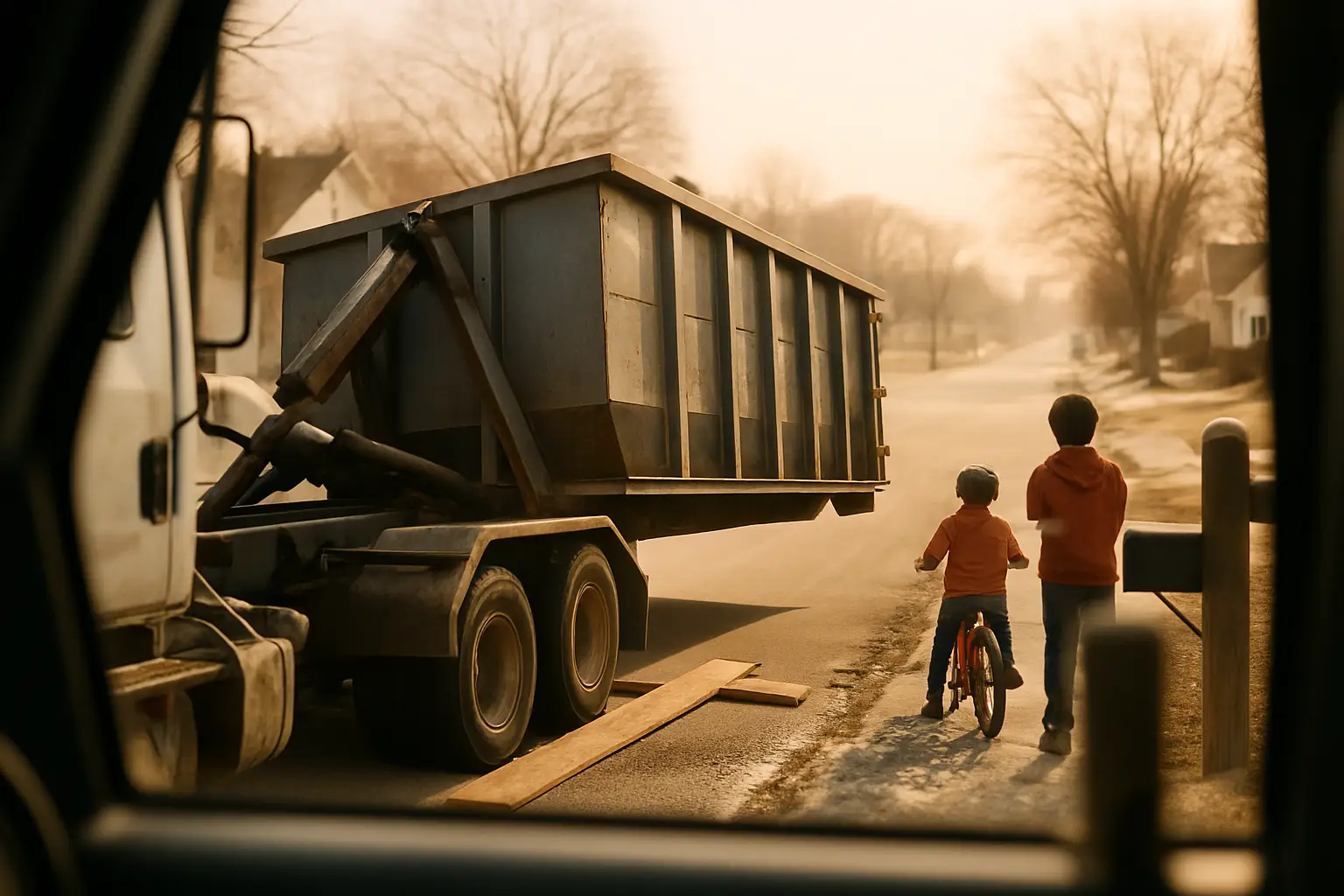
Griffin Dumpster Rental confirms practical placement before delivery, with clearance and pickup access documented for the crew.

Dumpster Rental Dayton, OH gives Griffin Dumpster Rental customers a straightforward way to contain renovation debris, roofing material, household contents, and property cleanup waste. We help match the container to the material, inspect the proposed placement, and explain access concerns before a truck is dispatched. Service is available 24/7, Monday to Sunday.

  • Licensed, bonded and insured
  • Serving since 2017
  • 4175 containers delivered
  • Open 24/7, Monday to Sunday
  • Serving Montgomery County

Project containers

Dayton dumpsters for cleanouts, repairs, and builds

Different debris behaves differently. Household contents take space, roofing material spreads quickly, concrete adds weight, and construction waste may need room for safe loading. These options cover common Dayton projects without forcing every customer into the largest container.

  • Home Cleanout Dumpsters

    A home cleanout often combines furniture, boxes, shelving, carpet, and ordinary household contents. A dumpster keeps the work moving room by room instead of creating several loose piles outside. We review the property access and the material mix so the container is large enough without charging you for unused capacity.

    Household projects
  • Garage and Basement Cleanouts

    Garages and basements usually hold dense, awkward items that are difficult to stack neatly. Shelving, old appliances, storage bins, and damaged furnishings may fill a container faster than expected. We help separate unusually heavy material from ordinary contents and plan placement where loading can happen without blocking the whole driveway.

    Storage clearing
  • Roofing Debris Dumpsters

    Roof tear-offs produce bulky shingles, underlayment, and scattered scraps that add weight quickly. The container should sit close enough for controlled loading but not where falling material can damage siding, vehicles, or landscaping. Tell us the roof area and access conditions so the recommendation reflects the actual tear-off.

    Roof replacement
  • Remodeling Debris Dumpsters

    Kitchen, bathroom, and whole-room renovations may include cabinets, drywall, flooring, trim, packaging, and fixtures. Keeping those materials together reduces repeated trips through the house. We discuss whether masonry or other dense debris is included, because weight can matter more than visible volume on a Dayton remodeling job.

    Renovation waste
  • Yard Waste Dumpsters

    Property cleanup can produce branches, brush, storm debris, old fencing, and other outdoor material. Wet vegetation becomes heavier and may settle differently than dry waste. Before delivery, explain what is being removed and where the container can sit so the truck avoids soft ground, low limbs, and narrow access.

    Property cleanup
  • Same-Day Dumpster Delivery

    Some Dayton projects cannot wait for a later opening, especially storm cleanup, failed move-outs, or a contractor already working on site. Same-day delivery depends on container availability, route conditions, material, and a workable placement. We will discuss what can actually be scheduled rather than promise an arrival the route cannot support.

    Urgent scheduling
  • Concrete and Heavy Debris Dumpsters

    Concrete, brick, block, soil, and similar materials require more care than ordinary household debris. A large container is not automatically the right answer because weight can become the limiting factor before the box looks full. Describe the material and estimated demolition area so we can recommend a safer, more suitable plan.

    Dense materials
  • Commercial Dumpster Rental

    Commercial clearouts and tenant improvements often need predictable placement around loading areas, employee access, customers, and active work zones. We account for delivery clearance, pickup approach, and the way crews will load the container. Property managers should identify gates, dock activity, overhead lines, and pavement restrictions early.

    Business projects
  • Recurring Construction Dumpster Service

    A recurring jobsite arrangement can keep debris from accumulating around framing, roofing, or finish work. The plan may involve changing material types, access conditions, and pickup needs as the build progresses. We discuss the site sequence and container placement so service remains workable as the construction area changes.

    Active jobsites

Dayton service

A practical dumpster plan starts with the site

Griffin Dumpster Rental has served the Dayton area since 2017 with containers for residential cleanouts, remodeling work, roofing debris, commercial clearouts, and construction sites. The job is not simply dropping steel beside a house. The crew needs to understand what will be loaded, how heavy it may become, where the container can sit, and whether the truck can reach that location without damaging a driveway, curb, lawn, or overhead fixture. That information shapes the recommendation before delivery rather than after a truck arrives.

Dayton properties vary sharply from compact older lots to wider suburban driveways and commercial work areas. A container that fits a new driveway may be awkward on a narrow street or beside an older home with limited turnaround space. Griffin Dumpster Rental works through those details plainly, including situations where a smaller container or a different placement is the better choice. The company is Licensed, bonded and insured, and scheduling is available 24/7, Monday to Sunday.
Why Griffin

The details matter before the truck arrives

  1. Placement is checked before dispatch

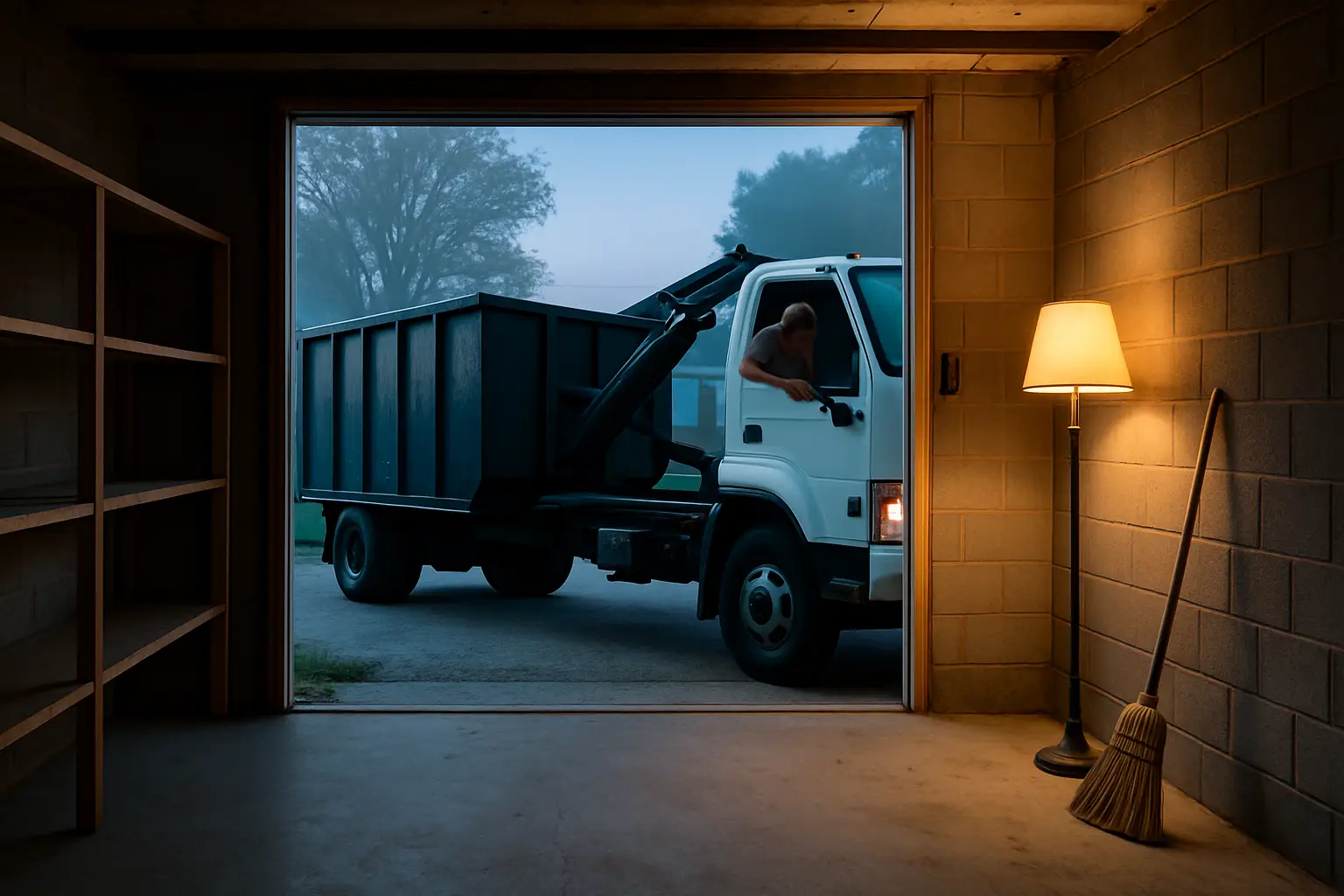
    Griffin Dumpster Rental uses the pre-delivery conversation to confirm clearance, placement, and pickup access. That means the proposed spot is considered against the truck’s approach, driveway width, overhead obstacles, nearby vehicles, and the surface itself. It is a practical check, not a promise that every location will work. If the original spot is questionable, we would rather identify that before delivery than leave a container where it creates a new problem.

  2. The recommendation follows the material

    A container for cardboard and household contents is not planned the same way as one for shingles, masonry, soil, or wet brush. The visible amount can be misleading when debris is dense or settles unevenly. We ask what the crew is removing, how it will be loaded, and whether different materials will be mixed. That conversation may point toward a smaller container, a different loading plan, or a separate solution.

  3. Local access gets real attention

    Dayton includes older neighborhoods with mature trees, narrow driveways, established curbs, and homes built close to the street, along with newer areas where driveways and work zones may offer more room. Seasonal rain, freeze and thaw, and summer storms can change the condition of soil and pavement. We account for those conditions instead of assuming every address offers the same delivery path.

How it works

Five steps keep the Dayton delivery workable

  1. Describe the project

    Start with the material, approximate amount, property type, and desired placement. Mention concrete, soil, roofing, appliances, brush, or other dense items because those details affect the recommendation. A clear description prevents an ordinary household container from being assigned to a heavy demolition load.

  2. Review the access

    We discuss the driveway, street, gate, slope, overhead lines, trees, and the truck’s approach. Dayton lots can be compact, especially around older housing and established streets. If the intended spot is not workable, we can talk through a safer location before scheduling is finalized.

  3. Choose a practical size

    Container size follows the job, not simply the number of rooms involved. Loose contents need space, while dense debris may require a smaller load plan. We explain the tradeoff so you can avoid paying for empty capacity or discovering that the container cannot hold the planned material.

  4. Prepare the placement

    Clear vehicles, tools, branches, low fixtures, and loose objects from the delivery path. Keep the proposed area accessible and confirm that the surface can support the container. If it must sit on a public street, ask about local permission before delivery because requirements can vary by location.

  5. Load with the limits in mind

    Load evenly and keep material inside the container rather than building unstable piles above the rim. Heavy debris should be distributed instead of concentrated at one end. When the project is finished, tell us the container is ready so pickup planning reflects the actual site conditions.

Additional help

Some Dayton projects need more than a container

Placement planning

Where a Dayton container can safely sit

A Dayton dumpster usually needs a firm, reasonably level surface with enough room for the delivery truck to approach, place the container, and later retrieve it. A driveway is often preferable to a lawn because wet soil can rut under heavy equipment, especially after spring rain or a summer storm. Keep cars, trailers, basketball goals, low branches, utility fixtures, and loose materials away from the approach. Older streets and compact lots may leave little room between the curb, sidewalk, parked vehicles, and house. If the container must sit on a public street, town or city permission may be needed first. Tell us the exact placement, nearby obstacles, and whether the surface is private or public.

The truck does not only need room where the container ends up. It needs a workable approach and enough overhead clearance while positioning the box. A narrow alley, sharp turn, steep driveway, soft shoulder, gate, or low wire can make a planned location unusable. In Oakwood, older homes and mature landscaping may create tighter approaches than a broad suburban driveway, while commercial corridors can involve active loading areas and traffic. Photographing the proposed spot can help explain the conditions during scheduling, but measurements and honest access details matter more than a guess. Move vehicles before delivery and protect anything that cannot tolerate contact or concentrated weight.

Size and weight

Dayton homes change the right container choice

Dayton’s housing stock includes older homes with basements, plaster, wood trim, small garages, and layered repairs, along with newer houses and larger suburban properties. A basement cleanout may produce bulky furniture and dense shelving, while an older renovation can add plaster, lath, flooring, cabinets, and masonry. Those materials occupy space differently. Roofing jobs often look manageable until shingles cover the container floor, and kitchen work can combine cabinets, drywall, tile, and appliances. The largest box is not automatically the best choice. The material, loading method, available footprint, and expected weight should be considered together.

Weather also changes the practical decision. Wet carpet, brush, soil, and storm debris weigh more than dry material, while freeze and thaw can soften shoulders and lawn edges around a placement. Concrete, brick, block, and dirt can reach a weight concern before a container is visibly full, so do not use empty volume as the only guide. Tell us whether the job is a cleanout, roof replacement, renovation, or demolition, and identify dense material separately. Load heavy debris across the floor rather than concentrating it in one corner, and keep the top level enough for safe transport.

Service standards

What customers can expect from the work

  • Every placement discussion starts with the material and the property access.
  • Before delivery, clearance and the truck approach are reviewed together.
  • Dense debris is discussed separately because weight can limit the load.
  • Customers receive plain guidance when a smaller option fits better.
  • Driveways, streets, lawns, and overhead obstacles are considered before dispatch.
  • Loading should stay even, stable, and within the container walls.
  • Public-street placement may require permission before the container arrives.
  • Scheduling is available 24/7, Monday to Sunday for active projects.

Common questions

Answers before you schedule a dumpster

How do I choose the right dumpster size?

Choose by material, volume, weight, loading method, and available placement space. Household contents need room, while concrete, brick, soil, and shingles may become heavy before the container is full. Describe the Dayton project and the proposed location so the recommendation reflects the actual job. Clear the loading path before delivery and separate dense materials in your description.

Can a dumpster go on my Dayton driveway?

A dumpster can often sit on a suitable driveway when the surface is firm, access is clear, and the truck has enough room to approach and place it. Older or narrow Dayton driveways may have gates, slopes, trees, or overhead obstacles that change the answer. Remove vehicles and loose items from the path, then explain the surface and dimensions during scheduling.

Can I put a dumpster on the street?

A container on a public street usually needs town or city permission first, and the exact requirement depends on the location. We can discuss the proposed street position, nearby traffic, parking, curb, and sidewalk conditions before delivery. Do not reserve a public spot until you understand what permission may apply, and have the address and placement details ready.

What materials can I put in a dumpster?

Common project debris includes household contents, furniture, flooring, drywall, cabinets, roofing material, yard debris, and ordinary construction waste, but dense or restricted materials should be identified before loading. Concrete, soil, chemicals, liquids, and other unusual items may require separate guidance. Make a material list before scheduling, especially if demolition or storm cleanup is involved.

How quickly can dumpster delivery happen?

Delivery timing depends on container availability, route conditions, access, placement, and the type of material planned for the load. Same-day service may be possible for some Dayton projects, but it should be confirmed rather than assumed. Keep the placement clear, provide accurate access information, and explain any deadline when discussing the schedule.

Do I need to be home for delivery?

You may not need to be home if the placement is clearly agreed upon, the access route is open, and the driver can safely reach the approved location. Complicated sites, gated driveways, public streets, or changing work areas may require someone to be available. Mark the intended spot only if it will not obstruct the truck, and remove parked vehicles before arrival.

Can I rent a dumpster for concrete or roofing?

Yes, but concrete and roofing debris should be identified before the container is selected because density and loading behavior matter. Concrete, brick, block, and soil can become too heavy before the box looks full, while shingles spread across the floor quickly. Tell us the demolition material and estimated area, then plan an even load rather than a concentrated pile.

Is dumpster service available on weekends in Dayton?

Service is available 24/7, Monday to Sunday, so weekend and evening scheduling can be discussed with the project details. Availability for a particular delivery or pickup still depends on the route, container, access, and material. Prepare the address, desired placement, project type, and any timing constraint before the call so the schedule can be evaluated accurately.

Plan the job

Discuss your Dayton project with the crew

Griffin Dumpster Rental can help sort through container size, debris type, placement, access, and scheduling before delivery. Service is available 24/7, Monday to Sunday. The more accurately you describe the property and material, the less likely you are to choose a box that is too small, too heavy, or difficult to place.

Phone

(937) 600-9028

The call covers your project material, container size, placement, truck access, timing, and any public-street concern.

Availability

24/7
Monday to Sunday, day and night

Have this ready

  • Project address
  • Material being removed
  • Preferred placement
  • Desired delivery timing

Where we work

Dayton, plus Oakwood, Kettering, Moraine, Riverside, Trotwood, West Carrollton, Huber Heights, Vandalia, Miamisburg and Fairborn.

See the full service area list

Start with the material and the placement

Tell Griffin Dumpster Rental what you are removing, where the container should sit, and what the truck must navigate. The crew can then discuss a practical Dayton plan instead of guessing from the project name alone.

Click Here to Call(937) 600-9028

Local coverage

Dumpster service across the Dayton area

Griffin Dumpster Rental serves Dayton and nearby Montgomery County communities with containers for cleanouts, remodeling, roofing, construction, and property work. Coverage includes Oakwood, Kettering, Moraine, Riverside, Trotwood, West Carrollton, Huber Heights, Vandalia, Miamisburg, and Fairborn. Each address still needs its own access and placement review because streets, driveways, slopes, and work areas differ.

Oregon DistrictSouth ParkSt. Anne's HillShroyer ParkFive OaksNorth Riverdale

Dumpster Rental in nearby towns

Click Here to Call(937) 600-9028